Turkey textile manufacturing can suit apparel brands that need a Europe-adjacent supply base and closer production control. The real decision is made before the purchase order: can the factory produce the specified product, hold the agreed standard and report problems early?
See Corpenza’s Turkey textile and apparel manufacturing guide for wider sourcing context, and its production and manufacturing support for execution planning.
What should an apparel brand screen before contacting a factory?
Start with product fit. A factory that makes basic jersey may not be set up for structured tailoring, technical outerwear or a wash-heavy denim programme. Ask for comparable styles, the actual production line, the subcontracting plan and the named person who owns quality. A polished catalogue does not answer those questions.
How should a buyer verify capability?
Use a short evidence pack: a factory profile, recent comparable production, machine and process list, material source, sample lead time and capacity for the intended delivery window. Then turn the brief into a sample. The first sample should test measurements, construction, trim placement and finishing, not merely visual appeal.
What should a factory visit and audit cover?
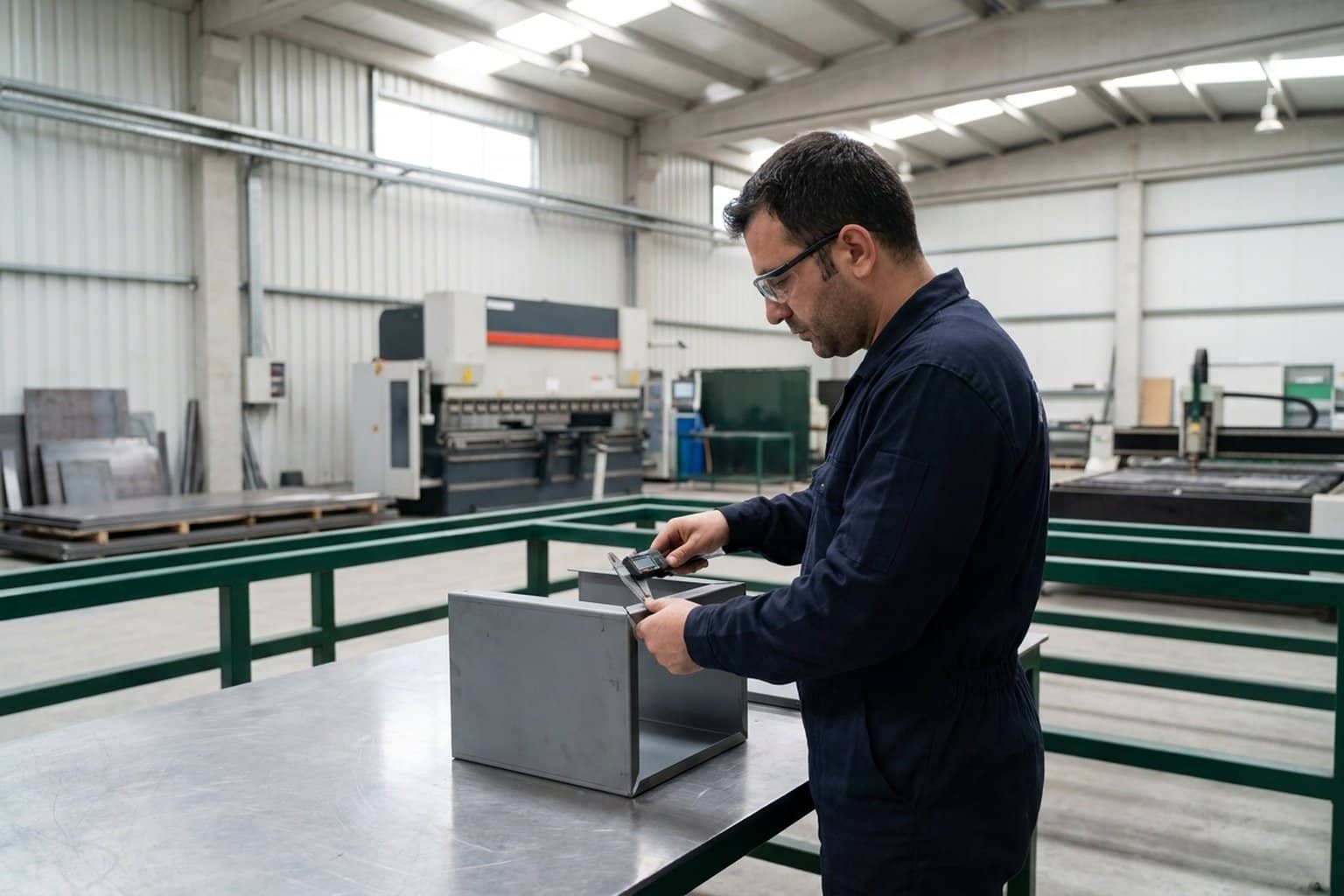
Walk the product route from incoming fabric to packing. Check how rolls are identified, where cutting approvals sit, how defects are separated and how rework is recorded. Turkey’s Standards Institution lists supplier/dealer evaluation, second- and third-party surveillance, conformity checks against specifications or customer requirements, and pre- and post-loading surveillance among its special-surveillance activities.
Turkish Standards Institution special-surveillance guidance is the official source for the listed inspection-service scope.
How should quality control be written into the order?
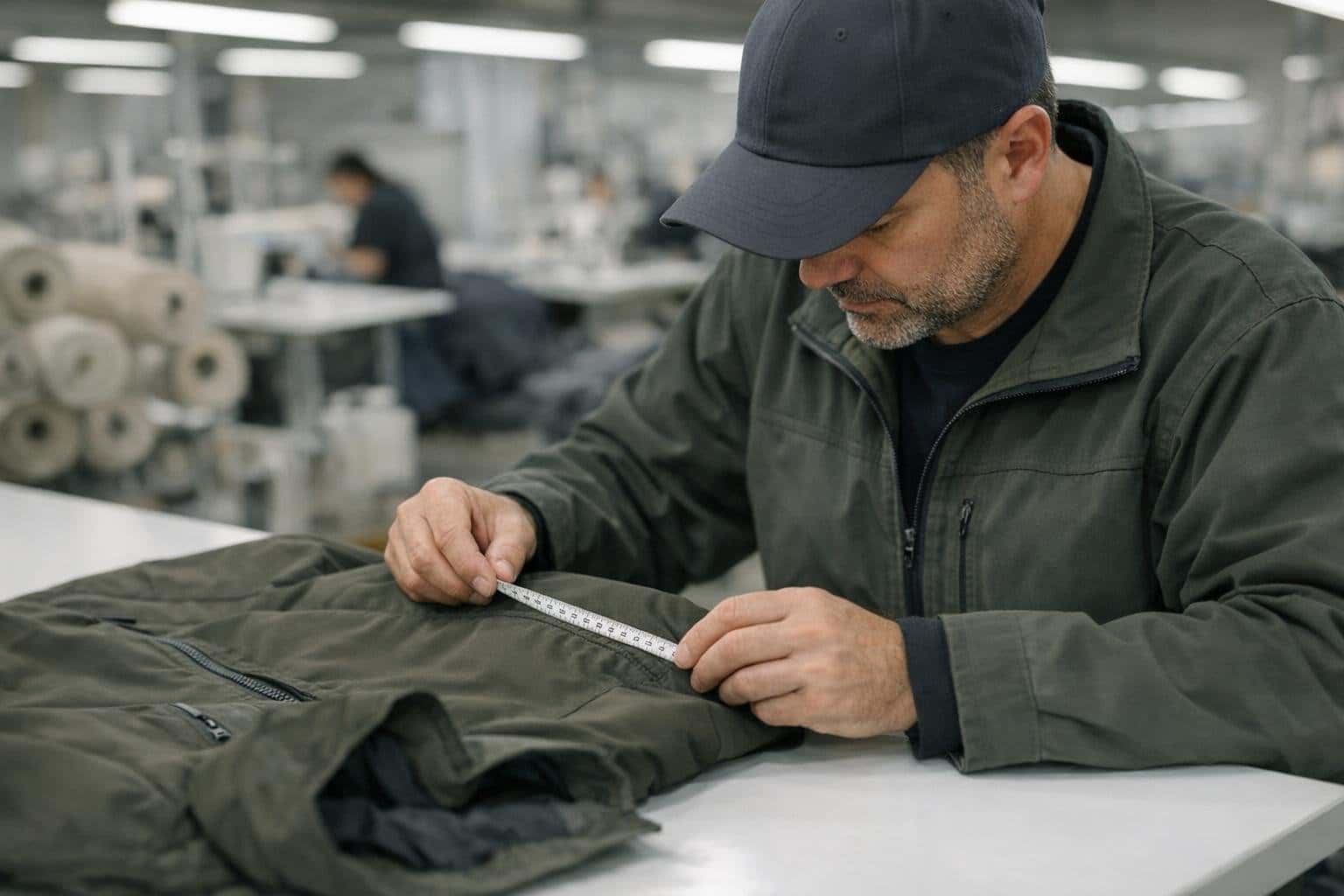
Put the control points in the purchase order or quality annex: approved sample, measurement tolerances, fabric and trim approval, in-line inspection timing, defect reporting, corrective-action owner, final inspection basis and packing standard. A vague instruction to produce “premium quality” creates room for argument after the goods are made.
Why do samples and pilot orders matter?
A production sample exposes a factory’s interpretation of the tech pack. A small pilot then tests repeatability, communication and packing under real workflow pressure. Treat changes after sample approval as controlled changes. Record the revised specification, price effect and delivery effect before the line switches.
How should a buyer plan shipment and logistics?
Agree ex-works readiness, inspection timing, carton markings and handover responsibility before booking freight. Invest in Türkiye describes a four-hour flight reach to 67 countries with a combined GDP of USD 30 trillion and population of 1.3 billion. That is useful logistics context, not a substitute for a factory-specific delivery plan.
Invest in Türkiye logistics guidance is the official source for the quoted reach figures.
When does a local company or local team become useful?
A local operating structure is not required for every sourcing project. It can become useful when a brand needs repeated supplier management, local hiring or a Turkish commercial presence. MERSİS is the Ministry of Trade’s central electronic commercial-registry system. Keep the sourcing decision separate from the company-formation decision.
MERSİS is the official registry portal referenced here.
Frequently asked questions
Is the cheapest quotation the best factory choice?
Usually no. Compare the quotation against fabric, construction, quality controls, payment terms and capacity. A low unit price can hide an unsuitable material, rushed finishing or unclear rework responsibility.
Should a brand inspect every order?
The control plan should reflect order value, product risk and the factory’s proven track record. High-risk launches and new suppliers deserve more observation than a stable repeat programme.
Can a sourcing agent replace a quality specification?
No. An agent can coordinate, but the buyer still needs an approved sample, measurable tolerances and named acceptance criteria.
Does Turkey’s logistics position guarantee fast delivery?
No. It can shorten some transport routes, while fabric availability, capacity, approvals and freight booking still set the actual delivery date.
This is general commercial information, not legal, customs or product-compliance advice. Confirm the requirements for the product and destination market before ordering.