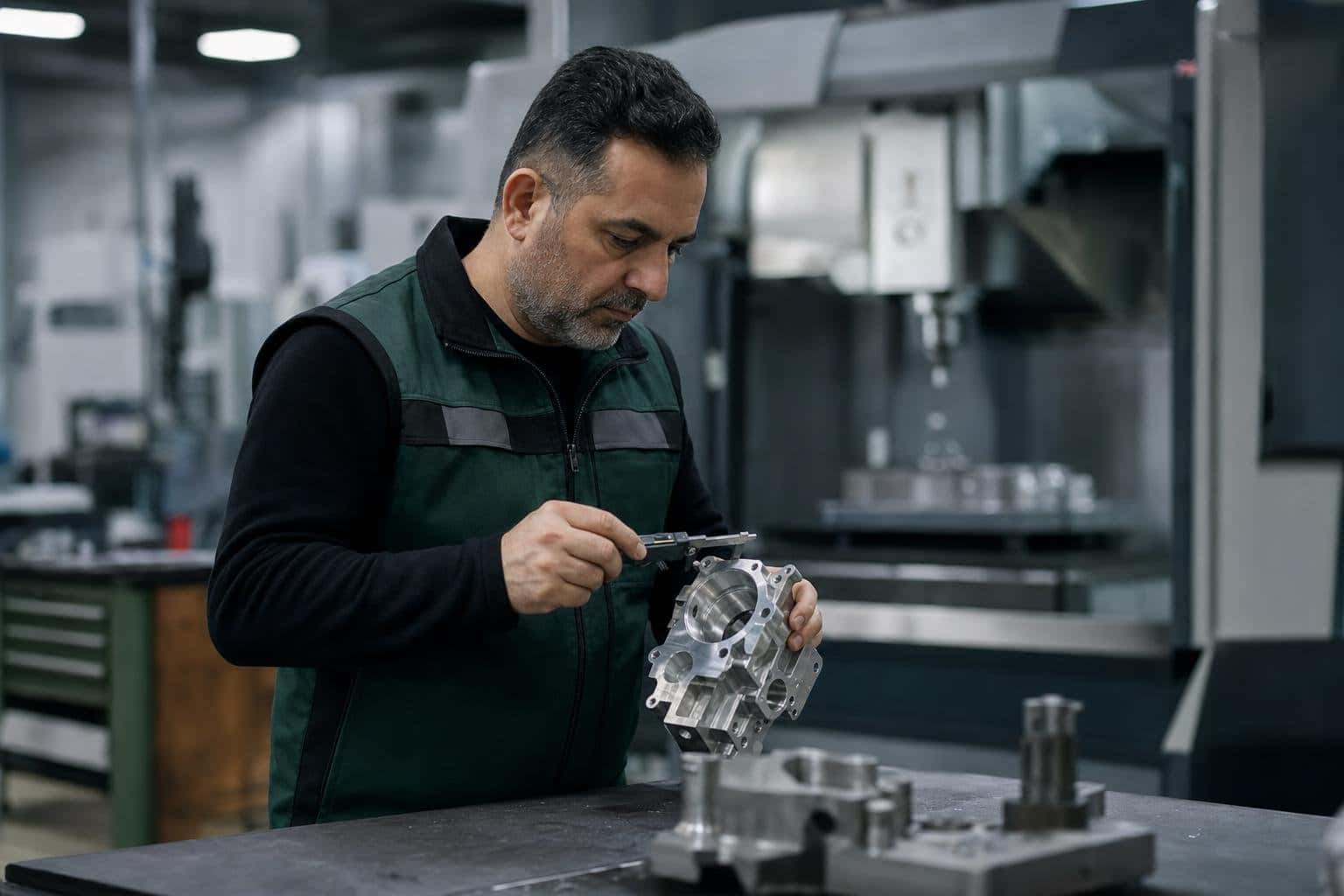
Turkey manufacturing in 2026 is a sourcing decision about supplier capability, product compliance and delivery control. A buyer should qualify the factory before comparing a unit price. The relevant operating question is whether the supplier can repeatedly make the specified product, document it and ship it through the intended customs lane.
What does the Turkey manufacturing outlook mean for buyers in 2026?
Turkey remains a practical production base for buyers who need a European-facing supply chain and a structured supplier-validation process. The 2026 outlook is strongest where an RFQ is paired with technical drawings, a sample plan, agreed tolerances and an inspection hold point.
Invest in Türkiye’s machinery-sector overview is a useful official starting point for the industrial-base context. It is not a substitute for a factory-specific capability check.
Which Turkey manufacturing sectors deserve a sourcing screen?
Machinery, automotive supply, metalwork, textiles, furniture and consumer-product supply chains should be screened at factory level. Ask for the production route, material traceability, capacity during peak weeks and the person who owns corrective action when a sample fails.
Use Corpenza’s Turkey manufacturing support when the supplier search needs local process control rather than a directory introduction.
How should an RFQ be prepared for Turkish manufacturers?
A usable RFQ states the drawing revision, material or bill of materials, annual and first-order quantities, target Incoterm, packaging rules, quality tests and sample approval gate. A vague request produces vague quotations. Put changes in writing before serial production begins.
What should be checked before placing the first production order?
Confirm the legal entity, production address, relevant certificates, sample results, lead-time assumptions and payment milestones. Then agree what happens to non-conforming goods. A pre-shipment check works best when its acceptance criteria were fixed before the factory starts packing.
For the customs lane, the European Commission’s EU–Türkiye Customs Union guidance should be read together with the product-specific conditions shown in Access2Markets.
Does the EU–Türkiye Customs Union remove all import work?
No. The Customs Union is a trade framework, not a blanket product-compliance or documentation waiver. Classification, product measures, origin or free-circulation evidence, customs valuation and destination-market requirements still need review for the actual goods.
The European Commission’s Türkiye trade-relations page confirms the Association Agreement and Customs Union context. Product-level checks still sit with the importer.
What is the practical sourcing plan for 2026?
Start with a technical brief, shortlist factories, run a capability call, order controlled samples and define an inspection point before the purchase order. Keep shipping, customs and product compliance on the same tracker. That prevents a factory-ready order from becoming an import-ready problem too late.
FAQ: Turkey manufacturing and sourcing
Is Turkey suitable for small first orders?
It can be, if the factory accepts the order economics and the specification is stable. Ask for the MOQ, tooling ownership and sample cost in the quotation.
Should a buyer pay in full before inspection?
Payment terms are commercial and depend on the supplier relationship. A staged structure with a documented inspection gate gives the buyer a clearer control point.
Can Corpenza manage supplier communication?
Corpenza can support the sourcing process, supplier coordination and manufacturing controls. It does not certify a product or replace the importer’s legal obligations.
This is general information, not legal, customs or product-compliance advice. Speak with Corpenza about a Turkey sourcing plan before committing to production.