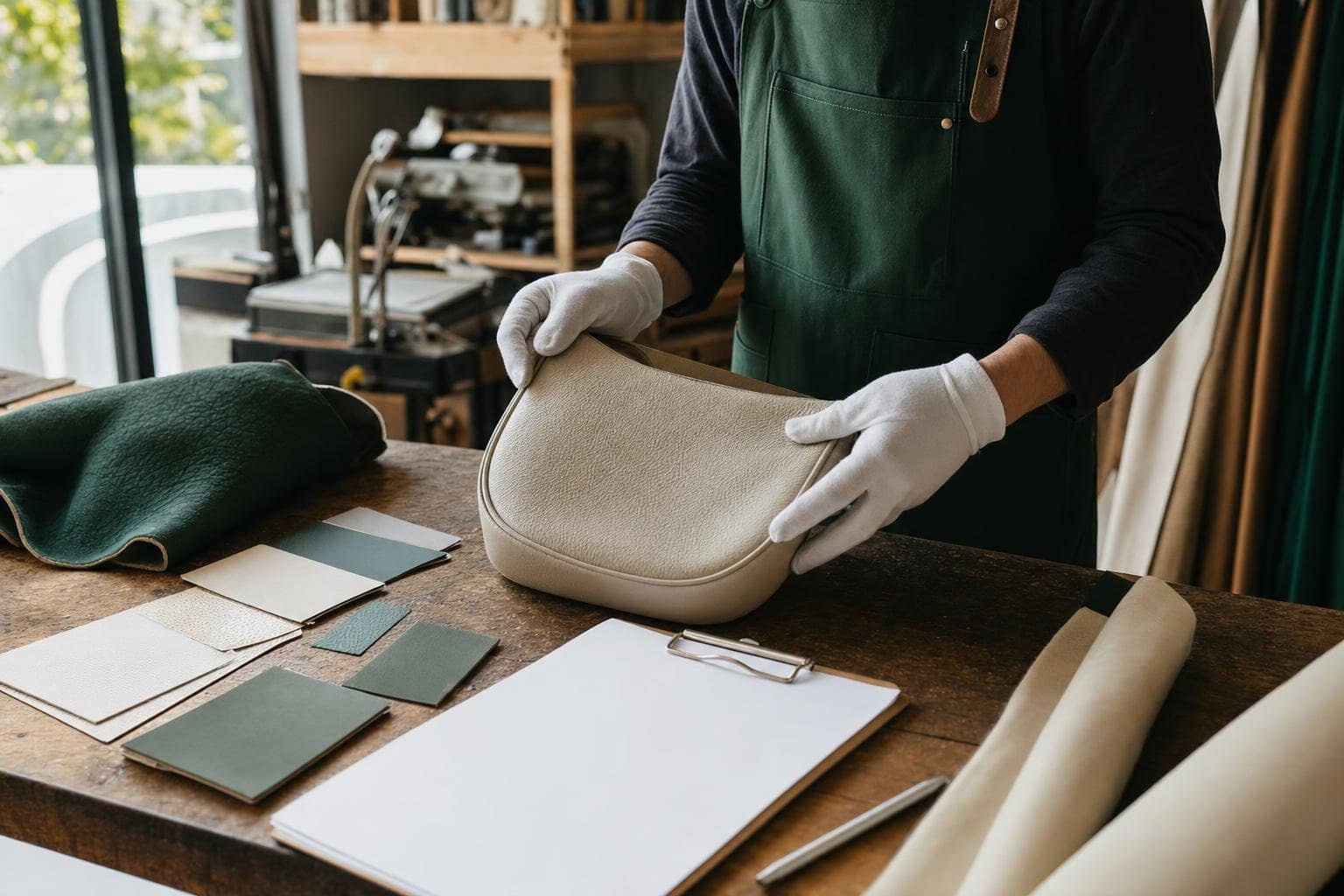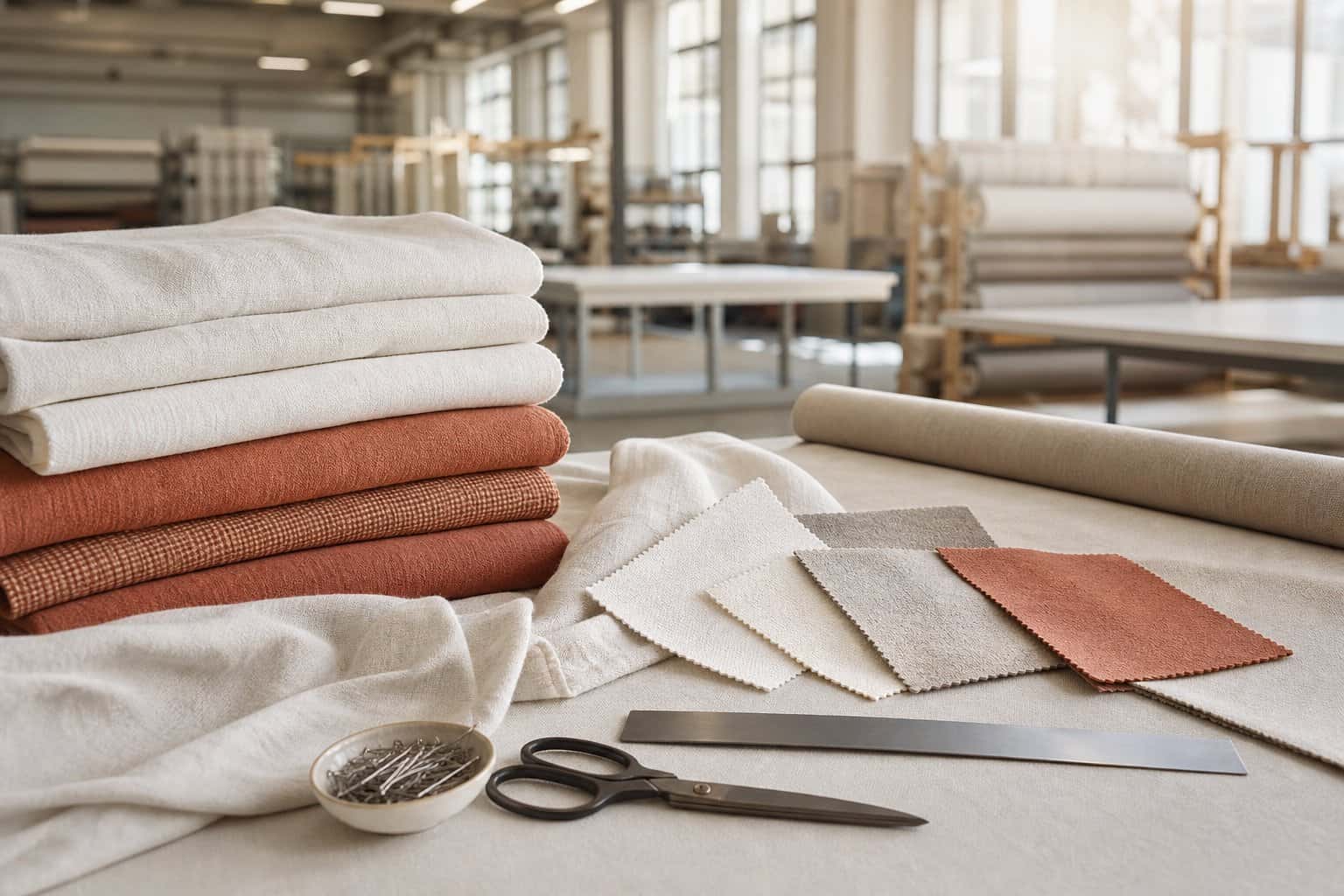
A home-textile order can look settled long before it is ready to run. A quotation may name a fabric, a size and a delivery date, yet leave the details that cause rework unresolved: yarn or fibre composition, weight tolerance, shrinkage method, dye standard, trim placement, packing count and the exact sample that releases production. Treat the first purchase order as a controlled project, not a date on a supplier spreadsheet.
Start with a fabric brief that can be tested
Write the product specification before asking for final pricing. It should state construction, composition, target weight, usable width, colour reference, finish, performance expectations, size tolerances, labels, packaging and destination-market requirements. Ask the factory to identify the mill, fabric article code and lot logic. A broad description such as “washed cotton” is not a release criterion. It does not tell the buyer which sample, colour, finish or batch has been approved.
Separate development samples from production approval
Use a small sequence: fabric cutting or swatch, lab dip or print strike-off where colour matters, construction sample, size-set sample, pre-production sample and sealed approval sample. Record what changed at every stage. A pre-production sample should be made with the intended bulk fabric, trims, label artwork and workmanship method wherever practicable. If bulk fabric is not yet available, mark the gap and define the re-approval event. Do not allow a photo in a messaging thread to replace a dated approval record.
Build the calendar backward from the handover date
Ask the supplier for actual lead times for yarn or fabric booking, dyeing or printing, cutting, sewing, finishing, inspection, packing and cargo handover. Add buyer review time and a correction window after each approval. The production calendar should show an owner and an evidence item at every gate: approved lab dip, signed sample, fabric arrival report, first-off check, in-line inspection, final inspection, packing list and shipment documents. A calendar without these gates only describes hoped-for capacity.
Control bulk fabric before cutting
Before cutting starts, compare bulk fabric against the approved reference: article, composition claim, colour, width, weight, hand feel and visible defects. Agree the sampling method and tolerance treatment in the purchase file. Keep the roll or lot identifier tied to the inspection record. If an issue appears after cutting, the cost is no longer only fabric cost; it can affect sewing capacity, delivery timing and replacement freight. A hold point before cutting is cheaper than a dispute after cartons are closed.
Use in-line checks to protect the approved sample
Inspect the first completed units against the sealed sample and specification, then repeat checks during production. Check measurements, stitching, print or embroidery placement, filling distribution where relevant, labels, care instructions, assortment and carton marks. Log defects by type and location. If a correction is agreed, state which lots are affected, who owns rework, how the remedy is verified and whether the delivery plan changes. Do not accept “we will fix it” without a lot-level corrective-action record.
Plan final inspection and shipment as separate gates
Final inspection should occur when enough goods are packed to represent the shipment, but early enough to correct a failure. Compare the count, assortment, cartons, gross and net weights, labels and packing list with the purchase order. The Turkish Standards Institution publishes an official special inspection and surveillance service route and an inspection fee tariff; it is a useful reminder that inspection can be specified as a formal service, but it does not remove the buyer’s need to define acceptance criteria for its own order. See TSE Special Inspection Activities (official current service page; effective date not stated; accessed 3 August 2026).
When a local structure is relevant
Many buyers will source without forming a Turkish entity. If a business moves from occasional purchasing to a local operating model, confirm the legal and tax route separately. Invest in Türkiye states that international investors have the same rights and liabilities as local investors and describes Trade Registry Directorates as a one-stop shop; it also identifies MERSIS as the electronic registry route. That is general establishment guidance, not a substitute for advice on a particular transaction. See Invest in Türkiye: Establishing a Business and the official MERSIS service, retrieved 3 August 2026.
Questions to settle before the deposit
What is the production-release sample?
Name the version, date, fabric article, colour reference and approval holder. Keep it available for in-line and final checks.
What moves the delivery date?
List supplier dependencies, buyer approval deadlines and the recovery plan if fabric, print or trims fail approval.
What evidence is needed before balance payment?
Set the required inspection result, carton count, packing list, labels and transport documents in the purchase file.
This guide is operational information, not legal, customs or product-compliance advice. Destination-market rules and contract terms require their own review.