A supplier verification checklist reduces a first-order decision to evidence. Before a deposit moves, confirm the destination-market rules, the legal entity, the production proof and the payment path. A good-looking marketplace profile is a lead source. It is not due diligence.
What should be checked before you contact overseas suppliers?
Check the import lane first. The product code, licence conditions, tariffs and customs-registration requirements can make a low factory quote commercially useless. GOV.UK directs importers to establish the commodity code and any licence requirement; EU buyers can use Access2Markets to check product conditions and rules of origin.
For an EU clearance plan, review the European Commission’s official EORI guidance before the first shipment. The order matters: destination-market readiness, then supplier shortlist, then price negotiation.
How do you verify that the supplier is a real operating business?
Match the legal name, registration number, registered address, bank beneficiary and commercial invoice issuer. Ask for the company record and compare it against the relevant official registry where available. A mismatch does not prove fraud, but it is enough to pause payment until the explanation is documented.
- Legal entity name and registration number match across quotation, invoice and bank details.
- The factory address can be independently located and is consistent with the stated activity.
- The person negotiating has an identifiable company role and uses a company-domain email where practical.
- The beneficiary account is in the contracted entity’s name, or a documented reason for a different payee is reviewed.
What proves production capability before a full overseas order?
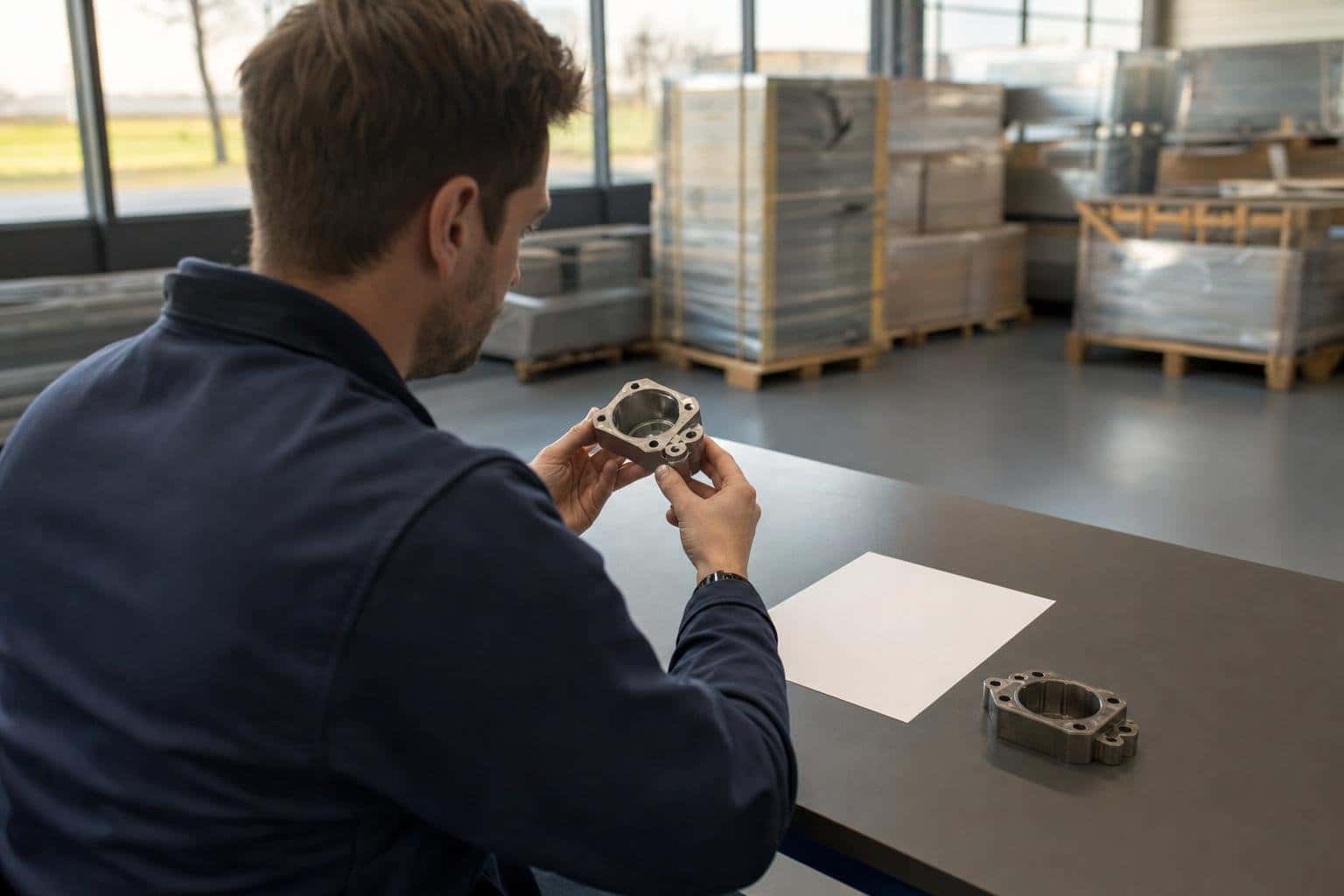
A sample proves only that one unit can be made. Capability evidence needs a dated sample specification, clear tolerances, material details, packaging requirements and a realistic production plan. Ask for current workshop or production evidence tied to the product, then compare the sample against the purchase specification.
For regulated goods, verify the product-specific compliance file for the destination market before treating any certificate as meaningful. A generic certificate PDF with no model, issuer or scope link is weak evidence.
When is a supplier audit or inspection worth the cost?
Use an audit or inspection when the order value, safety exposure, customisation or replacement cost makes a bad shipment expensive. The review should test the actual facility, process controls, traceability and loading conditions, rather than simply confirm that an office exists. Start with a narrower scope for a first order.
The U.S. Commercial Service describes its Gold Key Service as identifying, vetting and arranging meetings with potential international partners. That is useful partner-screening support, not a universal quality guarantee.
How should you structure a safer first overseas order?
Make the first order a controlled test. Freeze the approved sample, attach specifications to the purchase order, set a measurable inspection point, and tie payment milestones to evidence. Avoid paying a large balance merely because a supplier promises an urgent production slot.
- Use a purchase order that states product, quantity, tolerances, packaging, Incoterm and required documents.
- Approve a retained sample or signed specification before production.
- Arrange an inspection before final balance where the commercial risk justifies it.
- Reconcile packing list, invoice, transport document and beneficiary before the final release.
Which supplier-verification red flags require a pause?
Pause when the legal entity changes between documents, the bank account belongs to an unrelated third party, a factory visit is repeatedly refused, or the sample cannot be linked to the quoted production process. Another warning sign is pressure to bypass the agreed order documents. Small inconsistencies compound quickly in cross-border trade.
Supplier verification checklist: what is the minimum file?
Keep a short approval file for every new supplier: import-readiness checks, entity evidence, contact and address record, sample approval, purchase specification, payment review and inspection result. It gives the team a repeatable decision trail when an order changes hands or a shipment goes wrong.
Frequently asked questions
Can a marketplace badge replace supplier due diligence?
No. It can help produce a shortlist, but it does not prove the contracted entity, factory capability or payment beneficiary.
Should the first order be small?
Usually. A pilot order exposes communication, packaging, lead-time and document issues at a smaller financial risk.
Does an EORI number verify a supplier?
No. EORI concerns the importer or economic operator’s customs identity. It is separate from supplier verification.
What is the fastest practical next step?
Build the destination-market checklist, then request a matched entity-and-sample evidence pack before negotiating a deposit.
Corpenza can help coordinate import and export operations, supplier checks and document flow for cross-border orders. For a broader sourcing workflow, see our overseas supplier guide or contact Corpenza.
This is general commercial information, not legal, tax or product-compliance advice. Rules depend on the product and destination market.