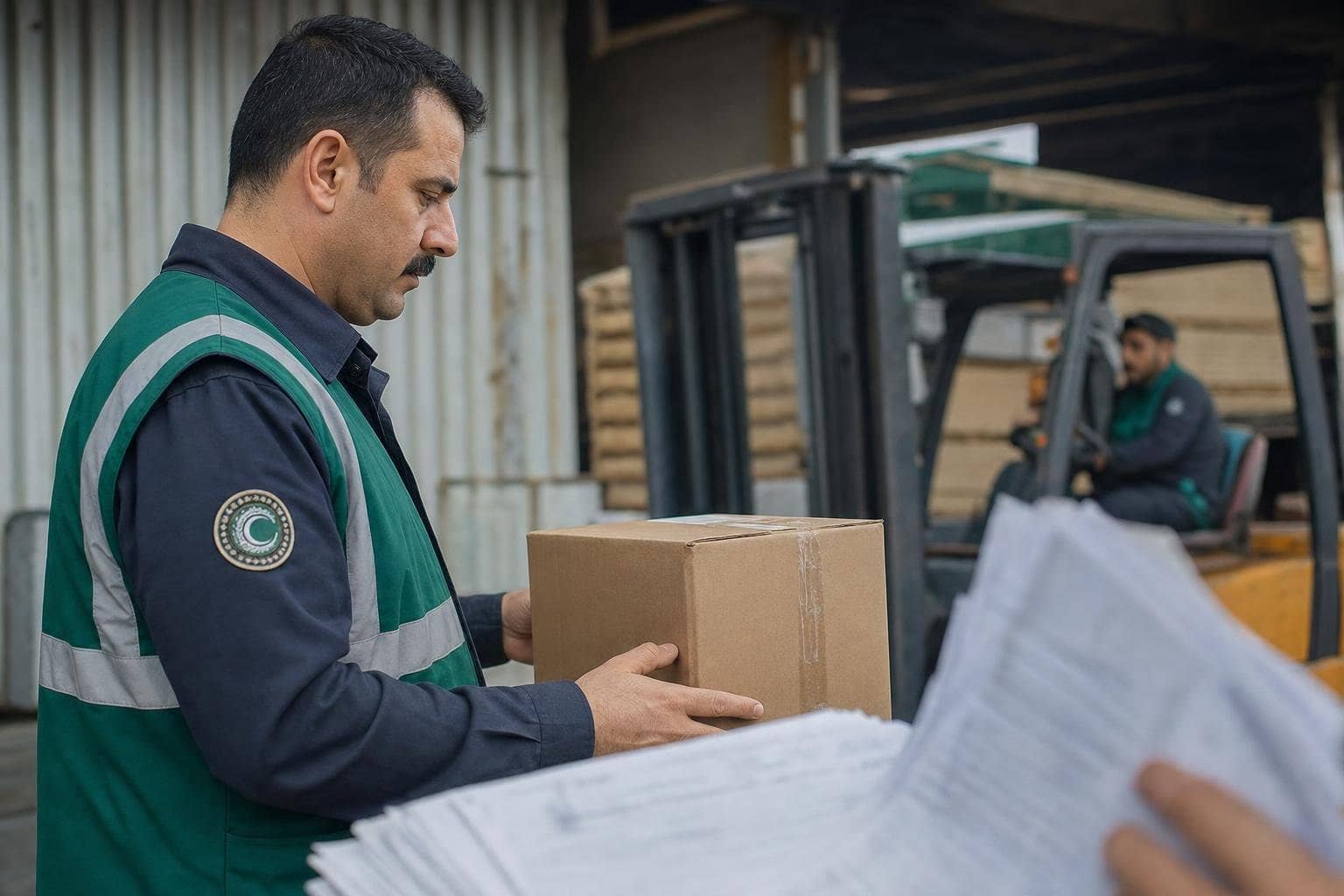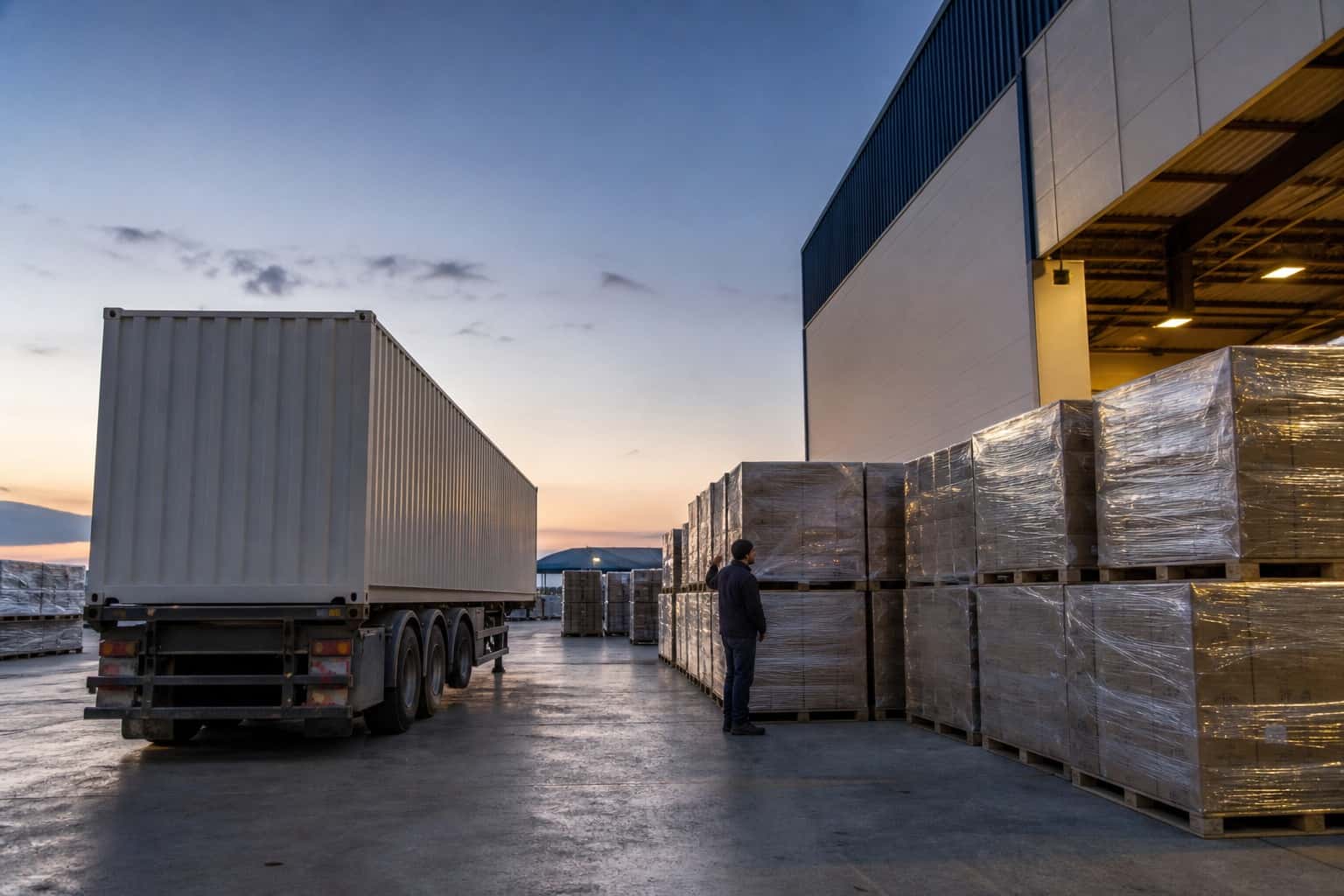
Shipping from Turkey to Europe is easiest to control when the buyer compares the same shipment assumptions. A cheap quote can omit export handling, destination terminal charges, customs representation, cargo insurance or a delivery appointment. Ask every forwarder to price the same commodity code, pickup point, pallet count, gross weight, dimensions, readiness date and named destination. Then compare responsibility as well as price.
What belongs in a Turkey-to-Europe freight quote?
A usable quote separates origin collection, export formalities, main carriage, terminal or border charges, customs representation, delivery, insurance and exceptions. It should identify the Incoterm, named place, equipment, transit assumption, validity date and what causes a surcharge. If the quote says “door to door”, ask whose door, which customs step is included and whether waiting time is capped.
Which Incoterm should a buyer put on the purchase order?
Use an Incoterm only after matching it to the transport mode and the party that can perform each customs task. FCA often gives the buyer a cleaner handover at the named origin place; DAP places delivery at the named destination before import clearance; DDP puts the seller into the import-facing role. The term does not replace a contract, cargo insurance or product-compliance review. Put the exact place after the rule, not just the city name.
Does the EU-Türkiye Customs Union remove every customs cost?
No. The European Commission says the Customs Union agreement entered into force on 31 December 1995 and covers the industrial-goods framework between the EU and Türkiye. The German Customs A.TR guidance says A.TR. applies to goods covered by the final phase of that Customs Union, excluding the agricultural and older coal-and-steel lanes, and records free-circulation status. It is not a universal proof for every origin question or product measure.
When should an A.TR. be checked?
Check the product code and trade lane before production is released. German Customs says covered goods must be in free circulation in the exporting country and move directly between the parties for the stated treatment. That makes the route plan relevant. A trans-shipment, warehousing step, commodity restriction or incorrect document can change the file. Keep the commercial invoice, packing list and transport records aligned with the customs declaration.
Who needs an EORI number and customs file?
The European Commission states that an EORI number is mandatory for customs operations in the EU customs territory, including import, export and transit. Its EORI guidance also explains that the identifier is communicated to EU customs authorities. Confirm the importing entity, customs representative and EORI before cargo moves. A carrier booking is not evidence that the importer is ready to clear the goods.
How should transit risk be managed before dispatch?
Start with a written handover plan. Identify who books the vehicle, who files export data, who provides the invoice and packing list, who is responsible for ENS data, who pays a delay charge and who can instruct the carrier if documents fail. The Commission’s Access2Markets customs procedure guidance explains that ENS carries advance cargo information for safety and security risk analysis. The party filing it needs accurate exporter documents in time.
What should an importer verify before asking for a freight rate?
Confirm the commodity code, product controls, importer identity, destination country, delivery address, Incoterm, cargo dimensions, planned departure date and document owner. Use the Commission’s EU-Türkiye trade page for the in-force Customs Union context, then check product-specific conditions through official EU tools. A forwarder can arrange transport; it cannot make an unclassified or non-compliant product ready for sale.
Frequently asked questions
Is the lowest freight quote the best quote?
Only if its scope matches the alternatives. Compare each excluded charge and each operational assumption.
Does A.TR. mean the goods are automatically duty free?
No. It is relevant to the covered Customs Union lane and free-circulation status. Product-specific measures still need checking.
Can DDP be used for every shipment?
It can create an import-facing obligation for the seller. Confirm local registration, importer and tax arrangements before using it.
What changes if the shipment is delayed at the border?
The commercial cost depends on the contract, Incoterm, carrier terms and document status. Assign an escalation owner before dispatch.
Corpenza helps importers prepare the commercial and compliance file before a Turkey-to-Europe shipment is booked. Read our import-export guide, review import and export support, or contact the team for a route-specific review.
This is general information, not customs, legal or tax advice. Product measures, taxes, transport terms and filing duties depend on the goods and destination.